
Soil Consolidation Testing
When soil experiences a volumetric change in response to a change of pressure, it is known to undergo soil consolidation. Due to its makeup of both soil grains and pore fluid, soil is prone to capture excess water, increasing its pressure. This in turn affects the stiffness of soil, something crucial for any construction process. Also due to this, soil compaction is often tested both before and during important projects. Placing a load on a soil sample results in a reduction in the void space within the soil. In the laboratory, this load can be applied pneumatically or by simply placing weights on the sample. This process simulates the effects of real-world forces placed on soil whether from simple compaction or building structures on the soil. Incremental consolidation tests can be conducted by applying load increments to a soil sample for predetermined lengths of time. Generally, the load increments are determined by doubling the previous load.
The reason for performing incremental consolidation tests may vary; however, in most cases, the test is done to determine settlement properties of a particular soil. For example, when a building is constructed, the underlying soil is impacted by the load that has been applied and expels water from its voids. As water is expelled, the soil starts to settle, which affects the building above. In this scenario an engineer is interested in the magnitude and rate of settlement. In some cases, a building load may cause the soil to settle a number of feet. A consolidation test predicts the amount and rate of settlement.
Showing 1–16 of 37 results
-

Consolidation Cell Parts
-

Consolidation Testing Cells
-
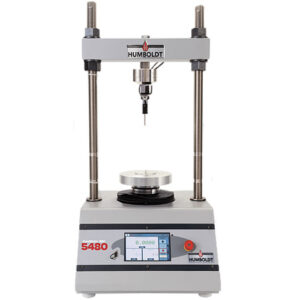
Consolidation Testing Machines
-

Consolidation Testing Sample Prep
-

Consolidation Testing Software
-

Consolidation Testing Weights
-

Acrylic Cylinder (Fixed and Floating)
-

Base (Floating & Permeability) for Consolidation Cells
-

Calibration Disk for Consolidation Cells and Shear Boxes
-
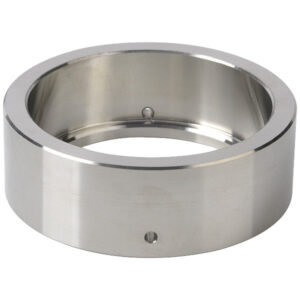
Centering Ring (Floating) for Consolidation Cells
-

Clamping Ring (Fixed)
-

Clamping Ring (Permeability) for Consolidation Cells
-

Conmatic IMC Soil Consolidation System
-

Conmatic IMC Soil Consolidation System, HM-5480.3F
-

ConMatic IPC, Automated, Soil Consolidation System
-

Conmatic Pneumatic Consolidation Machines
-

Consolidation Cell Part, Lifting Knobs (All)
-
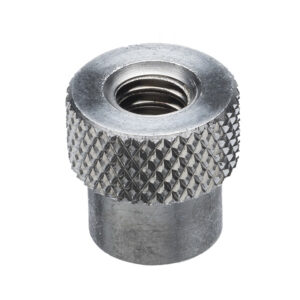
Consolidation Cell Part, Locking Nut (All)
-
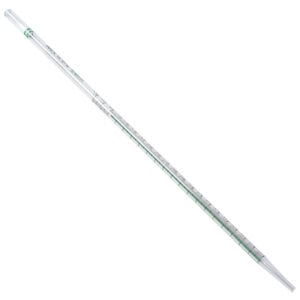
Consolidation Cell Part, Pipette— 2 x 0.01ml
-
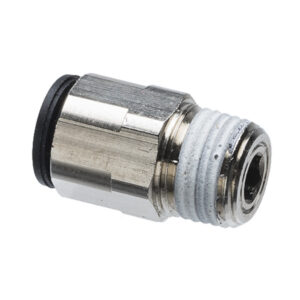
Consolidation Cell Part, Port Connection Lower (Permeability) for Consolidation Cells
-
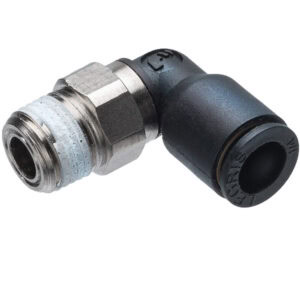
Consolidation Cell Part, Port Connection Upper (Permeability) for Consolidation Cells
-

Consolidation Cell Part, Post for all Cells